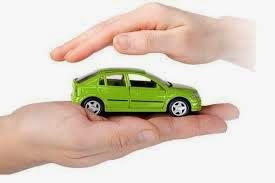
You can give your car to charity and deduct the gross proceeds from the sale if the proceeds are for more than $500.
If the claimed value of the donated motor vehicle, boat or plane exceeds $500 and the item is sold by the charitable organization, the taxpayer’s claimed value is limited to the gross proceeds from the sale.
The charitable organization must notify the donor within 30 days of the sale of the amount of the gross proceeds. However, if the charity adds improvements to the vehicle, the charity must notify the donor within 30 days of the contribution. If the charity betters the vehicle then the donor may deduct the vehicle’s market value.
Actually, it is much better if the Taxpayer can deduct the vehicle’s market value, because there normally is quite a gap between perceived market value and actual proceeds, and this difference can literally be thousands of dollars.
One car donation center states that it has processed over 500,000 car donations since 1992, which adds up to about 30,000 cars a year.
Did you know that you can also donate boats and RV’s?
So if aunt Dora dies, and leaves her jalopy in the driveway then maybe this is an attractive way to get rid of the car especially since it does not start anyway.
But wait! It is not that easy.
Where is the Title to the car? Not in the glove compartment? You may have a problem.
You may also have a problem if the title is joint, say Aunt Dora and Uncle Nick.
If Aunt Dora died and UncleNick is still alive there will be all kinds of problems.
How about vehicle emission controls, was the car equipped with them, were they disabled?
When you make a charity car donation:
You get free vehicle pick-up whether your car to donate is running or not. In some cases the company will actually put a new battery in the car to get it running again.
You avoid confusing Department of Motor Vehicles paperwork or Smog hassles.
How it works:
Call a reliable Vehicle Donation company.
They’ll take your information over the telephone, they’ll handle all the DMV documents, they’ll pick up your vehicle , arrange an auction sale and distribute the proceeds to the charity.
If your donated vehicle/vessel sells for under $500 the receipt you receive at the time the vehicle is picked up is all you need for filing your taxes.
The actual net proceeds of a donated car seem to range around the $400 figure
In all cases, a charity car donation is sold to the highest bidder by a well-established charity vehicle auction.
You must have a certificate of title.
Some companies will also guarantee that if your donated car gets a ticket after your donation date, they’ll take care of the ticket for you and they zealously will fight it so you don’t have to worry about it.
The reason cars are sold by public auction is that people simply will pay more at an auction for your car than they will pay at a dealer.
Also, if the car is running at the time of the auction people will pay more so it is advisable to get it to running condition when reselling it.
Copied with permission from: http://plrplr.com/24802/should-you-give-your-car-away/
Affichage des articles dont le libellé est donating your car to charity. Afficher tous les articles
Tax Deductions On Car Donation Explained
Any donation you make to help out a worthy cause can also help you with your taxes. If you have an old car parked in your garage and you don’t know what to do with it, car donation is a wonderful way to help a charity. Although the car donation laws have changed, this is still a good way to help yourself and others too.
In 2005, the laws changed regarding tax deductions on boats, vehicles or airplanes that are valued over $500. Now, the charity must provide written documentation or acknowledgement within the 30 days of processing your donation. If the charity gives an exaggerated or false statement, they can be fined or penalized.
Under the January 2005 rules, your tax break is based on how the charity uses the donated vehicle. If the car is sold, the gross sale price can be deducted. If the charity uses the donated car following the new law for “significant” charity work that is tax approved, you’ll be able to deduct the market value of the vehicle. However, some stiff penalties will be charged for falsified documents. The law is watching carefully those charities not following the rules and regulations involved with car donation.
Even though the old laws had some problems, many charities are skeptical about the new car donation laws. A lot of organizations are concerned about what might happen when the responsibility of tax deduction is put under the authority of the charity rather than the donor. Some of them have actually sent a letter to the Treasury Secretary that suggests that people may be discouraged from donating cars if they aren’t aware of the deduction amount that will be allowed. This, they fear will mean that some donors will be lost. Charities feel that donors must be able to weigh the cost of benefit in order to know if it is enough for them.
If you do decide to pursue car donation, you will find out that the process is easy. You can contact most charities by phone or online. It is important to ask the charity you wish to get involved with for some specific and important information. This is necessary in order to avoid complications and also be sure you understand the process. It’s not hard, but does require you to fill out some important information and get the car ready.
Copied with permission from: http://plrplr.com/24699/tax-deductions-on-car-donation-explained/
In 2005, the laws changed regarding tax deductions on boats, vehicles or airplanes that are valued over $500. Now, the charity must provide written documentation or acknowledgement within the 30 days of processing your donation. If the charity gives an exaggerated or false statement, they can be fined or penalized.
Under the January 2005 rules, your tax break is based on how the charity uses the donated vehicle. If the car is sold, the gross sale price can be deducted. If the charity uses the donated car following the new law for “significant” charity work that is tax approved, you’ll be able to deduct the market value of the vehicle. However, some stiff penalties will be charged for falsified documents. The law is watching carefully those charities not following the rules and regulations involved with car donation.
Even though the old laws had some problems, many charities are skeptical about the new car donation laws. A lot of organizations are concerned about what might happen when the responsibility of tax deduction is put under the authority of the charity rather than the donor. Some of them have actually sent a letter to the Treasury Secretary that suggests that people may be discouraged from donating cars if they aren’t aware of the deduction amount that will be allowed. This, they fear will mean that some donors will be lost. Charities feel that donors must be able to weigh the cost of benefit in order to know if it is enough for them.
If you do decide to pursue car donation, you will find out that the process is easy. You can contact most charities by phone or online. It is important to ask the charity you wish to get involved with for some specific and important information. This is necessary in order to avoid complications and also be sure you understand the process. It’s not hard, but does require you to fill out some important information and get the car ready.
Copied with permission from: http://plrplr.com/24699/tax-deductions-on-car-donation-explained/
Charity Car Donation Steps To Take
You can donate your car to a wide range of charity organizations, but picking the most representative ones requires getting some previous information. So before actually donating your car, make sure you get some relevant info about the charity organization, its purposes, projects and usage of your car. You might find out that there are various organizations that have different goals and you will probably find, among them, a great cause and possibility to donate your car to something meaningful. Even more, make sure that your car is going to go to an eligible organization that is serious in its acts and has valid previous work. In order to be sure, speaking directly with the charity agents is the safest way to go. In fact, the IRS requests that the donors are aware of the type of the fundraiser society they choose. When talking to the charity representatives, the most important information regards the exact usage of your car, if it will be sold, fixed up, offered to the less fortunate people and so on. Besides these, you should check up if the charity organization is qualified and in order to know that for sure, you can review the organization’s state registrations and financial situations, administrative costs and charitable programs.
Charitable donations and car evaluations
Another important thing before donating your car is evaluating it in a correct way. There are various guides on the market that offer elaborate instructions, in order to establish the valid value of your car, depending on its general condition, accessories, age and mileage. After making sure that you selected the correct charitable organization and the optimum evaluation, you should be aware of the fact that you are required to complete and attach an IRS form to your tax return, in case you are claiming a car donation that values 500 $ or above. Donating a used car to charity is a great solution if you are planning to purchase a new car or if you are simply willing to contribute to a charitable activity. Knowing and following some steps before the actual car donation avoids further worries, as it makes the process a safe and fulfilling one.
Are there any hidden facts about used car donation that I should be aware of?
First of all, not every used car donation programs are functioning legally. Before you make your used car donation, you should check with the IRS if the charity is a non-profit organization listed under paragraph 501 (c) (3) in the IRS Publication 78.
Secondly, check out if the used car donation program is run in-house by the charity itself or by a third party. If a third party is operating the used car donation program, you should ask what percent of the profit made by selling the donated cars actually goes to the charity. Often, third-party operated used car donation programs produce small amounts of money for the charity. Smaller charities do not afford the costs of transportation and storage for the donated cars, not to mention the costs involved in charity auctions. This is the main reason why charities accept to have their used car donation programs run buy third-party brokers.
Charitable donations and car evaluations
Another important thing before donating your car is evaluating it in a correct way. There are various guides on the market that offer elaborate instructions, in order to establish the valid value of your car, depending on its general condition, accessories, age and mileage. After making sure that you selected the correct charitable organization and the optimum evaluation, you should be aware of the fact that you are required to complete and attach an IRS form to your tax return, in case you are claiming a car donation that values 500 $ or above. Donating a used car to charity is a great solution if you are planning to purchase a new car or if you are simply willing to contribute to a charitable activity. Knowing and following some steps before the actual car donation avoids further worries, as it makes the process a safe and fulfilling one.
Are there any hidden facts about used car donation that I should be aware of?
First of all, not every used car donation programs are functioning legally. Before you make your used car donation, you should check with the IRS if the charity is a non-profit organization listed under paragraph 501 (c) (3) in the IRS Publication 78.
Secondly, check out if the used car donation program is run in-house by the charity itself or by a third party. If a third party is operating the used car donation program, you should ask what percent of the profit made by selling the donated cars actually goes to the charity. Often, third-party operated used car donation programs produce small amounts of money for the charity. Smaller charities do not afford the costs of transportation and storage for the donated cars, not to mention the costs involved in charity auctions. This is the main reason why charities accept to have their used car donation programs run buy third-party brokers.
Inscription à :
Commentaires (Atom)


